
Home inspections can feel intimidating, especially with older homes. The good news is inspections don’t “pass” or “fail” a house—they help buyers understand condition and decide what they want to negotiate. In NW Oregon and SW Washington, buyers often focus on water management, crawlspaces, roofs, and the major systems.
What a home inspection is (and what it isn’t)
A home inspection is a general evaluation of visible systems and components. It’s not a guarantee and not a code compliance certification. Think of it as a way for buyers to reduce risk and plan for maintenance.
The big-ticket systems buyers focus on
Buyers typically pay closest attention to the roof, electrical, plumbing, HVAC, and any signs of water intrusion. These items matter because they can be expensive and may impact financing or insurance. If you’ve updated anything, having dates and receipts available can help.
Water, drainage, and crawlspaces (very PNW)
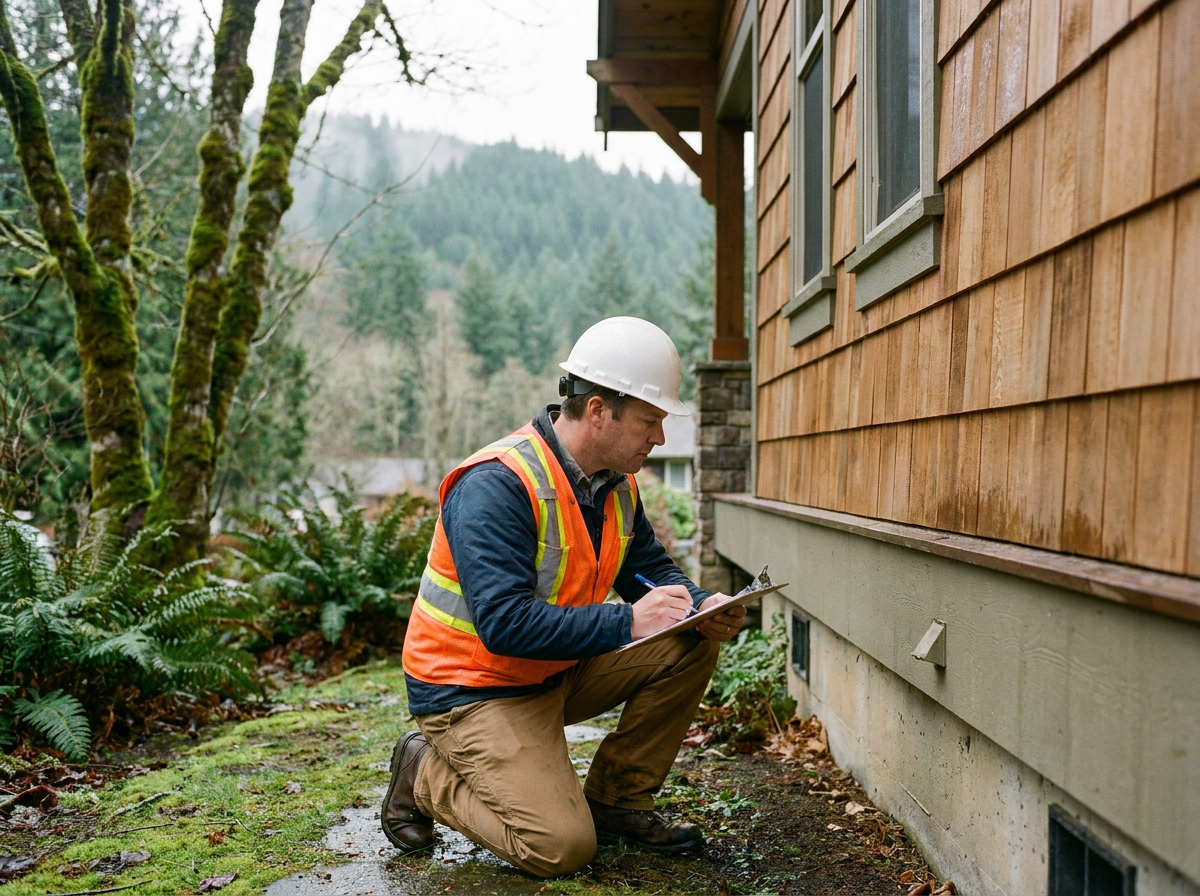
Moisture is a common concern in the Pacific Northwest. Inspectors often look at grading, gutters, downspout extensions, crawlspace ventilation, and any signs of standing water. Small improvements—like extending downspouts away from the foundation—can make a big difference.
Safety and functional fixes that matter
Handrails, smoke/CO detectors, GFCI outlets, and minor electrical issues come up often because they’re easy to spot and can present safety issues Taking care of these before listing can reduce stress during repair negotiations.
Repair vs credit after inspection
Sometimes repairs are the cleanest solution, especially if an item affects financing. Other times, a credit keeps the deal moving and avoids contractor scheduling delays. The best approach depends on your timeline and the buyer’s loan type.
Next step: If you’re preparing to sell in Forest Grove, Hillsboro, Beaverton, Tigard, or nearby, I can help you prioritize the fixes that matter most (and skip the ones that don’t).
—Robyn Schamberger, Real Estate Broker
