

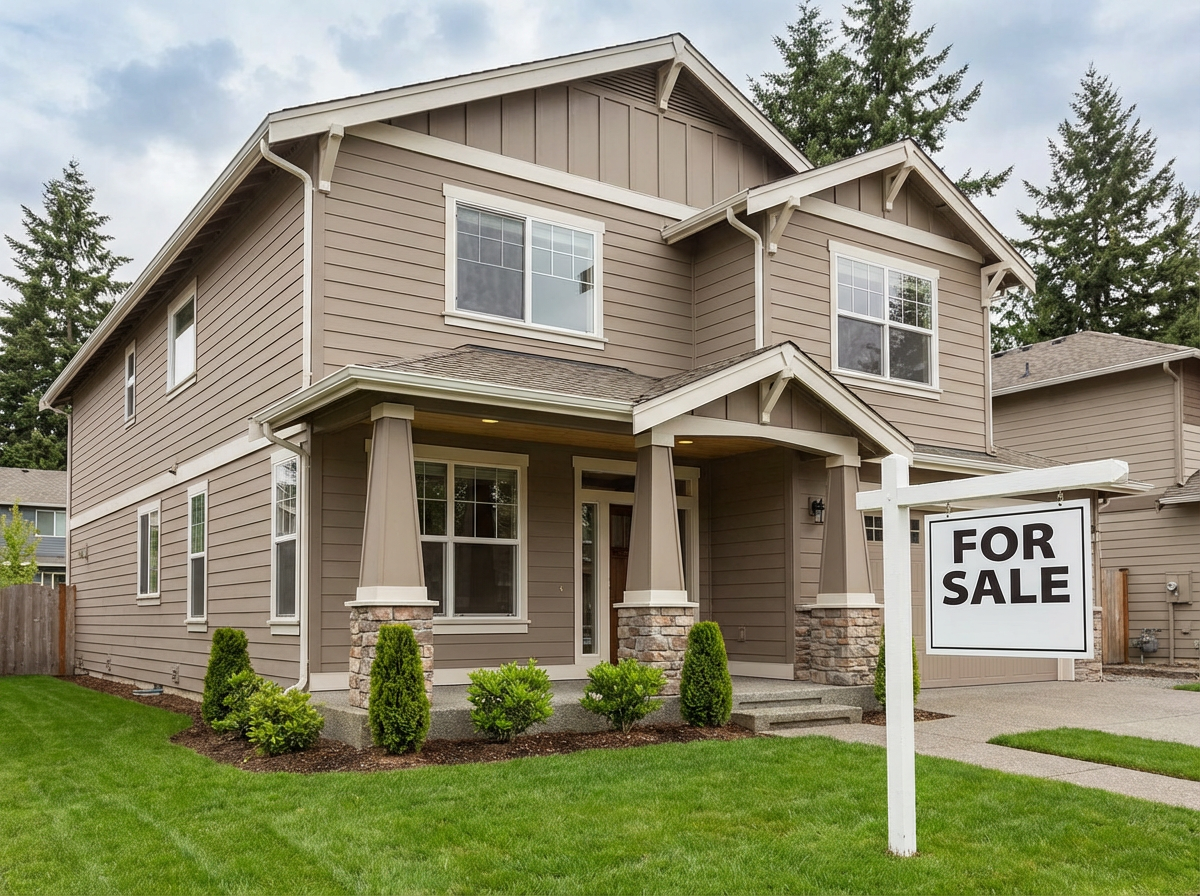
Selling a home can feel like a lot because there are many moving pieces, and the timing matters. A clear timeline helps you stay in control, reduce stress, and make smart decisions from the first conversation through closing day.
Step 1: Clarify Your Goals and Timeline
Before you do anything else, get clear on your “why” and your ideal timeframe, because that will influence pricing and preparation. This is also the time to think about where you’re going next and whether you need a rent-back, longer closing, or a specific move date.
Step 2: Meet With an Agent and Review a Pricing Strategy
A strong pricing plan is based on local comps, current buyer demand, and how your home compares to what’s actively for sale. This is where you’ll decide whether to price aggressively to drive activity or price closer to market value with a more traditional strategy.
Step 3: Prep the Home (Repairs, Declutter, and Staging)
Small repairs and a clean, uncluttered presentation can make a huge difference in how buyers feel when they walk in. Many sellers are surprised by how much value comes from simple steps like fresh paint, updated lighting, and staging key rooms.
Step 4: Photography, Marketing, and Going Live
Professional photos and a strong online listing are essential because most buyers decide whether to tour your home based on what they see on their phone. Once you go live, your first week on the market is especially important, because that’s when you typically get the most attention.
Step 5: Showings, Open Houses, and Buyer Feedback
Showings can feel disruptive, but they’re a normal part of the process—and good communication helps you plan around them. Buyer feedback can also be valuable data, especially if you’re not getting offers as quickly as expected.
Step 6: Offers, Negotiations, and Contingencies
When offers come in, it’s not just about price; it’s also about financing strength, timelines, and the risk level of the terms. After you accept an offer, the transaction moves into the contingency phase, which often includes inspections, appraisal, and final loan approval.
Step 7: Appraisal, Repairs, and Final Steps to Closing
If the buyer is financing, the appraisal is a key milestone that can affect the final terms. Buyers also have an inspection contingency where repair negotiations may happen, and staying organized with receipts and documentation can keep everything moving smoothly.
Closing Day: Signing and Handing Off the Keys
Documents are usually signed on closing day, or a day or two before. On closing day, funds are transferred, and ownership officially changes hands. With the right preparation and guidance, closing can feel less like a scramble and more like a clean finish line.
Conclusion
A clear plan makes selling feel far less overwhelming—and it helps you protect your time, your money, and your peace of mind. If you want a personalized timeline based on your home and your goals, I’m happy to map out the best next steps with you.
—Robyn Schamberger, Real Estate Broker
www.robynschamberger.com | Facebook | Instagram
